
Stitching a Greener Future: TDV’s Regenerative Business Model
Start Reading

1. Company at a Glance
In this case example, discover how Textil del Valle S.A. BIC, a Peruvian textile company, redefined its business model by placing sustainability at its core. Confronted with international pressure to reduce the environmental impact of fashion and the need to stand out in a competitive global market, TDV embraced a comprehensive transformation. From shifting to renewable energy and advanced water recycling, to promoting regenerative agriculture and organic cotton, the company turned environmental and social challenges into drivers of innovation, competitiveness, and long-term value creation.
Textile
Industry
1987
Founded
Peru
Headquarters
3,000+
Number of Employees
30+ countries in North America, Asia, Europe and Latin America
Global Presence
2. The Challenge
Turning Market and Environmental Pressure into Opportunity
In 2018, Textil del Valle (TDV) began its sustainability journey, at a time when the concept was still taking root in Peru. The company faced a dual challenge that prompted a fundamental reassessment of its business model.
On one hand, TDV needed to differentiate itself in an increasingly saturated international textile market. On the other hand, growing global attention on the sustainability and environmental footprint of the textile and fashion industries created mounting pressure to transform.
This convergence of market and environmental demands became a turning point for TDV. The company recognized that sustainability was no longer an option, but a strategic necessity to stay competitive and relevant. Embracing this insight, TDV set out to embed sustainability at the core of its operations, not just as a compliance exercise, but as a driver of innovation and industry leadership.
3. The Action
Textil del Valle (TDV) implemented a multi-dimensional sustainability strategy anchored in governance, environmental efficiency, and supply chain transformation.
Redefining the Company’s Purpose
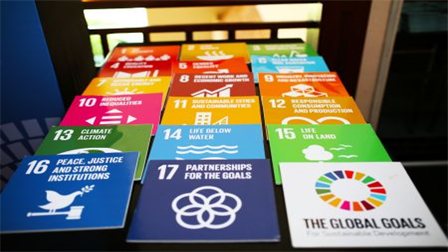
TDV made sustainability a structural pillar of its business model. This included integrating sustainability into the company’s bylaws and corporate purpose, creating a Sustainability Committee at the executive level, and aligning goals with the Sustainable Development Goals (SDGs). This governance shift laid the groundwork for long-term commitment and accountability.
Advancing Energy Efficiency and Decarbonization
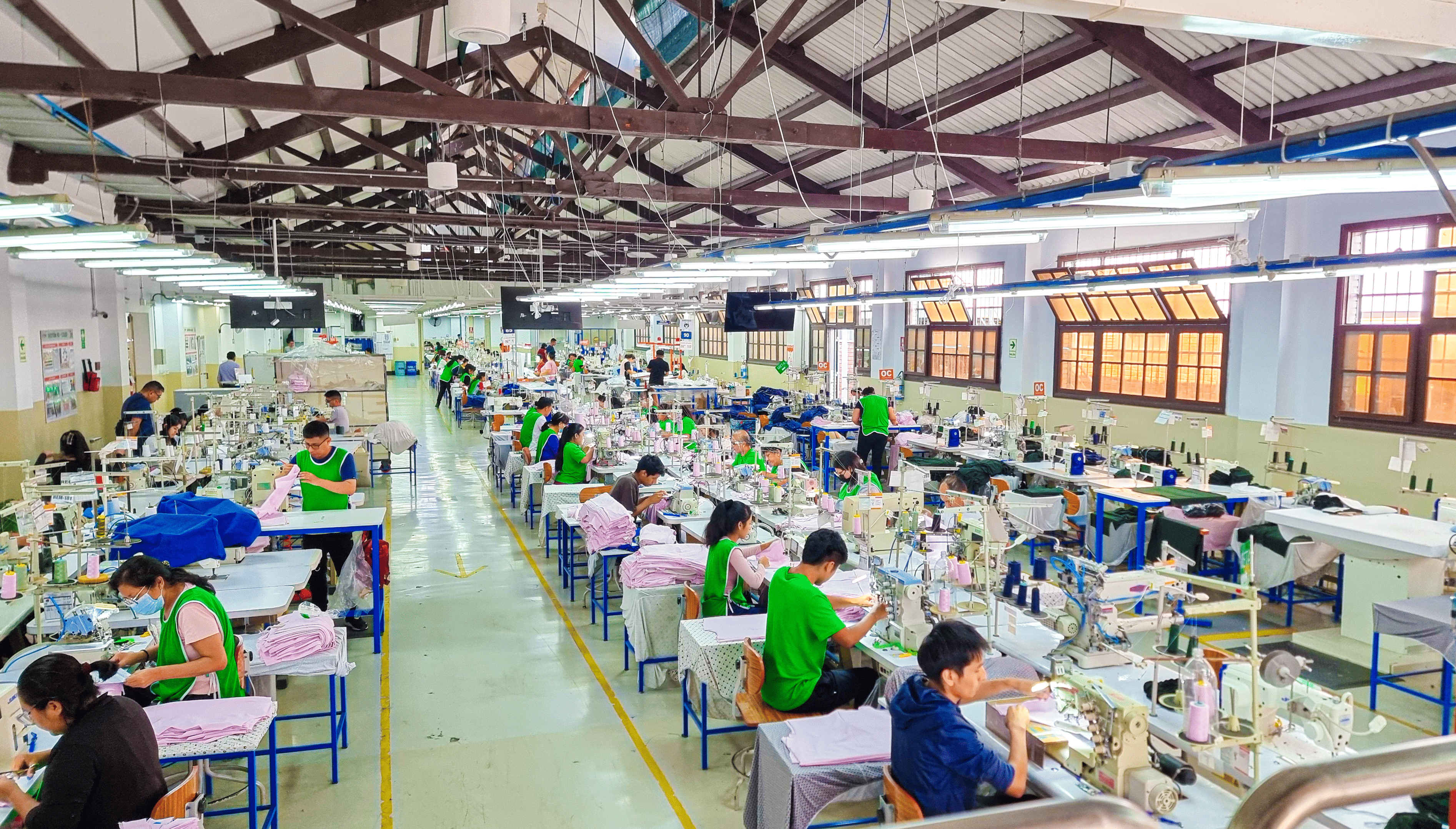
After conducting a full carbon footprint assessment in 2019, TDV committed to sourcing 100% of its electricity from renewable sources by 2021. Currently, 85% of its energy is purchased and supplied from hydroelectric power, while 15% is self-generated through 1,320 photovoltaic solar panels installed at the company’s main production plant in Chincha. This system contributes to the decarbonization of its operations and strengthens energy autonomy. In parallel, the company achieved Carbon Neutral certification and participated in national initiatives like Huella de Carbono Perú, where it was awarded the fourth (highest) recognition star for its emissions offset and reduction efforts.
Ensuring Sustainable Water Management
Given the high water dependency of textile operations and the growing regional water stress, TDV prioritized circular water practices. In 2020, it installed an advanced water treatment system combining Ultrafiltration (UF) and Reverse Osmosis (RO), complementing its existing Wastewater Treatment Plant (WWTP). This system allows for the treatment of 100% of industrial wastewater and the recirculation of at least 33% back into operations. Between 2020 and mid-2025, the system enabled the recycling of over 488,000 m³ of water. The company also implemented rainwater harvesting projects and collaborated with environmental organizations to plant native Polylepis trees in high-altitude areas, reinforcing natural water recharge in the Cotas, Huancavelica, Peru – in the upstreams areas of Chincha Valley.
Promoting Sustainable Raw Materials
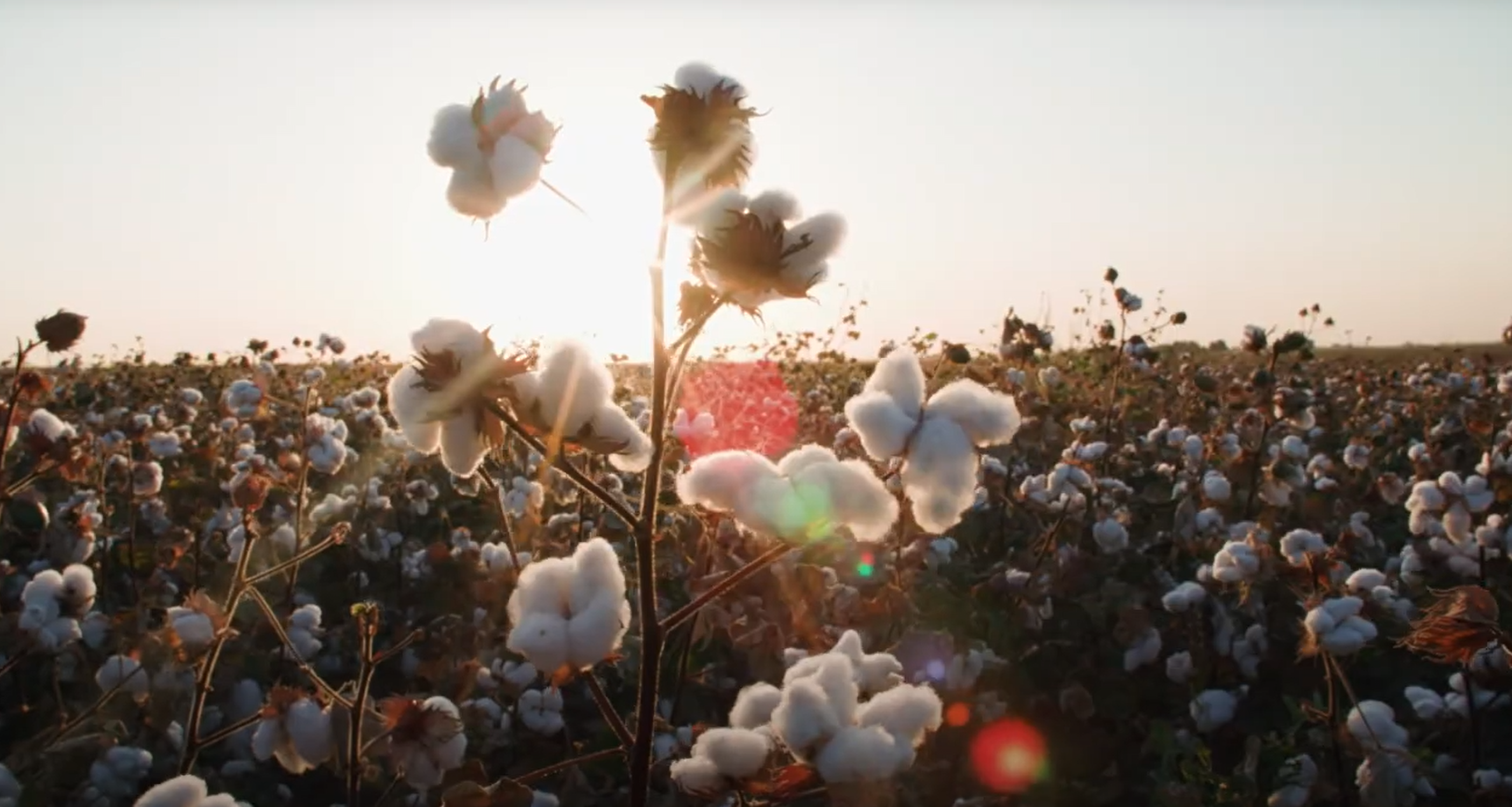
TDV strengthened its supply chain through sustainable sourcing and regenerative agriculture. The company leads two key initiatives: “Algodón de Vida”, which promotes organic cotton cultivation in the San Martín region with social, economic, and environmental impact; and “Algodón Pardo”, focused on rescuing native cotton varieties with natural pigmentation, reducing the need for chemical dyes.
These efforts support over 2,000 local farmers, enhance environmental sustainability, and promote cultural heritage. By 2024, over 70% of the cotton used by TDV was organic or regenerative, all certified under GOTS and GRS standards. The company also obtained Fair Trade certification and partnered with Patagonia to support community initiatives through product-linked contributions.
Strengthening Social and Ethical Standards
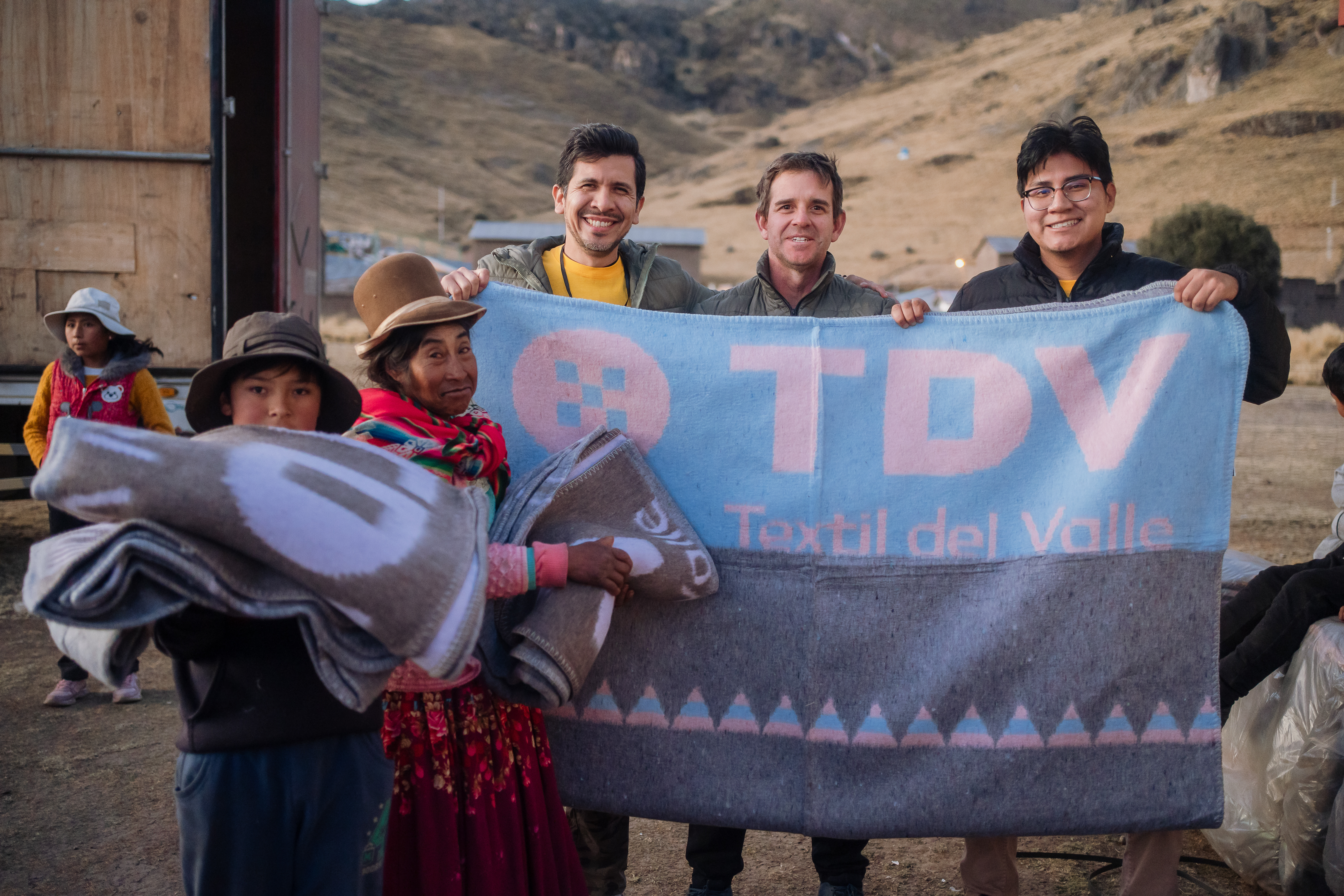
The company obtained Fair Trade certification in 2024 and partnered with Patagonia to allocate 2% of sales from their products toward community development. These efforts reinforced TDV’s commitment to inclusive growth and social responsibility within its ecosystem.
4. Overcoming Barriers
Cultural transformation:
Overcoming internal resistance required strong support from shareholders, which enabled the creation of a Sustainability Policy, a dedicated Sustainability Committee, and the integration of sustainability indicators into the Balanced Scorecard.
Lack of sustainable financing:
The Peruvian financial sector lacked green financial instruments and clear taxonomies to support the transition. TDV addressed this by securing alternative mechanisms, including a five-year leasing agreement with Atria for solar panel acquisition, international funding for water treatment infrastructure, and co-financing with clients to support environmental and social milestones.
5. Impacts & Results
Business performance
In 2024, TDV reported a 22% increase in sales and a 2-point improvement in EBITDA, directly linked to the integration of sustainability practices. The company also shortened its cash conversion cycle by 48 days, improving operational efficiency.
Energy efficiency and emissions
TDV now operates with 100% renewable electricity
Water management
From 2020 to mid-2025, TDV recycled 488,024 m³ of water through its ultrafiltration and reverse osmosis systems, reaching a 33% recirculation rate, with a target of 70% by 2025. Water consumption was reduced to under 120 liters per kilogram of processed garments.
Sustainable materials
More than 70% of the cotton used in TDV’s production in 2024 was organic or regenerative. The company also offset over 124,000 tons of CO₂eq through hydroelectric carbon credits.
Recognition and certifications
TDV renewed its B Corp certification with a score of 113.5, the highest among B Corps in Peru. The company also became Fair Trade certified, reinforcing its commitment to ethical and inclusive practices.
6. Key Lessons Learned
Top-level commitment is essential: Driving real change requires sustainability to be championed from the highest levels of governance. In TDV’s case, shareholder support was crucial in embedding sustainability into the company’s bylaws and strategic direction.
Investing in innovation and partnerships accelerates the transition: TDV learned that co-financing with clients, leveraging NGO alliances, and accessing alternative funding mechanisms (e.g., leasing and international grants) enabled progress even in the absence of local green finance instruments.
Measurement and transparency build trust and results: Tracking environmental metrics—such as carbon footprint, energy use, and water recycling—helped the company align short- and long-term objectives, while also strengthening stakeholder confidence.
Sustainability requires structure and alignment: Tools such as a formal Sustainability Policy, a dedicated Sustainability Committee, and KPIs aligned with the SDGs ensured that sustainability was not just aspirational, but operationally integrated.
Stay ahead of market trends: Regular market analysis and internal cultural alignment helped TDV remain competitive and anticipate future demands in sustainability, circularity, and responsible sourcing.

"At Textil del Valle S.A. BIC, we are convinced that the textile industry plays a key role in building a more sustainable future. Our commitment is reflected in concrete actions that promote circularity, resource efficiency, and the well-being of our people."
Juan José Córdova, Chief Executive Officer
7. Recommended Resources
Recommended UN Global Compact resources available to support your journey:

Download Case Study
Disclaimer: This case example is intended strictly for learning purposes and does not constitute an endorsement of the individual companies by the UN Global Compact.