
People First: How Grupo HAME Embedded Human Rights Across its 29,000 employees
Start Reading

1. Company at a Glance
This case study explores how Grupo HAME, a leading agribusiness group in Guatemala, has built a comprehensive Human Rights Strategy to align business growth with sustainability and responsibility. Since 2017, the company has worked to embed respect for human rights into its operations, fostering a culture of safety, dignity, and opportunities for employees, while strengthening relationships with communities and stakeholders.
Agriculture
Industry
1952
Founded
Guatemala
Headquarters
29,000
Number of Employees
Latin America and USA
Global presence
2. The Challenge
Grupo HAME decided to establish its Human Rights strategy as part of its long-term vision of becoming a benchmark in operational efficiency and sustainability. The company recognized the importance of proactively managing human rights risks and impacts since commissioning its first Human Rights Impact Assessment (HRIA) with an external expert in 2017.
The plan's key driver is "putting people first," which enables the company to proactively manage risks and impacts on individuals, creating a safe environment full of opportunities for employees while adding value to neighboring communities and society as a whole. Furthermore, the initiative is supported by a firm conviction to embed ethical, responsible, and sustainable practices at the core of its business model, alongside international commitments and stakeholder expectations.
3. The Action
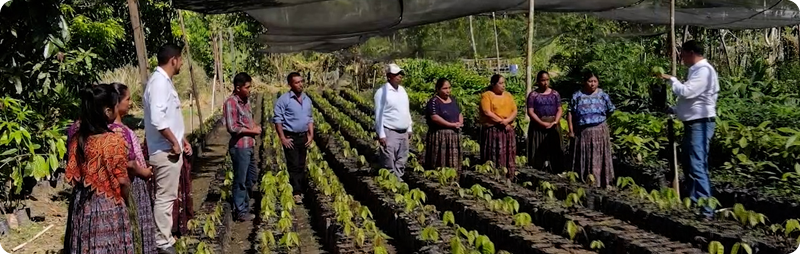
Grupo Hame implemented its Human Rights strategy through a structured approach, integrating commitments into its corporate governance and operations across five key pillars
Strengthening Governance and Policy Framework
- Established Foundational Policies: Launched the Responsible and Sustainable Production Policy (2019) and an enhanced Sustainability Policy (2021) with a specific governance structure to oversee the Human Rights Action Plan.
- Ensured Top-Level Leadership: Leadership from the highest governance level, including the Board of Directors, set the "tone at the top" to ensure respect for Human Rights.
- Created Oversight Structures: Established a governance structure to oversee the Human Rights Action Plan and formed the External Advisors Sustainability Committee (2022) to reinforce accountability and alignment with international standards.
Implementing Continuous Due Diligence and Assessment
- Conducted Risk Assessments: The company commissioned its first Human Rights Impact Assessment (HRIA) with an external expert in 2017. This baseline assessment was conducted at the corporate level, covering the entire Group, and provided a clear understanding of potential risks related to labor rights, discrimination, and community relations. Since 2023, the company has adopted a more localized approach by conducting HRIAs at the operational level. Each operation now carries out its own HRIA and develops a specific action plan, allowing for a more tailored and effective risk management strategy.
- Aligned with International Standards: Performed a corporate gap analysis against international standards and carried out further HRIA and forced labor risk assessments in 2023, along with corresponding action plans.
Establishing Effective Remediation and Accountability
Launched Grievance Mechanisms: The MQC was launched in 2018 in one operation and expanded across the Group in 2019. It is an open, toll-free, confidential, and secure channel—managed by a third party—for receiving concerns, complaints, and reports from any stakeholder, including employees, communities, and civil society. Available in Spanish and Q’eqchí, it is handled by an independent Compliance team that reports to the Board’s Oversight Committee, ensures proper investigation, and proposes resolutions based on national law and internal policies.
- Ensured Credibility: The company strengthened the mechanism’s legitimacy by undergoing independent audits (e.g., by Transparencia Internacional / Acción Ciudadana in 2024), and by making its functioning and continuous improvement process publicly available through its official platform. This transparency—covering procedures, case handling, and lessons learned—reinforces accountability and fosters greater trust among stakeholders.
Building Capacity and Scaling Awareness
Launched Internal Training: Through “Escuela HAME,” the company’s virtual education platform for administrative staff, a mandatory Human Rights course was launched in 2022. It reaches over 2,000 employees and covers key topics such as an introduction to human rights and business, labor rights, zero tolerance for harassment or intimidation, community engagement, and environmental responsibility.
- Addressed Educational Barriers: The company adapted its traditional “train-the-trainers” model to the specific needs of human rights education in large and dispersed operations. To ensure neutrality and avoid conflicts of interest, it selected non-supervisory employees as facilitators to deliver sensitive content, supported by professional communication experts and internal training teams. The approach was reviewed by the Office of the United Nations High Commissioner for Human Rights (OHCHR) in Guatemala and reinforced through continuous awareness campaigns, ensuring consistent, credible, and accessible learning across all levels of the organization.
- Drove Industry-Wide Change: Expanded training access across the Latin American palm oil industry in partnership with Bunge, Proforest LATAM, and GREPALMA, sharing the program with over 250 individuals (producers, traders, refiners, brokers, and retailers) across 16 countries (2024).
Championing Gender Equality
- Defined Commitment: Adopted a formal Gender Commitment (2020) to ensure equal conditions and opportunities for all. The Group has launched action plans to promote and safeguard maternity and reproductive rights, prevent sexual harassment and discrimination, and, more recently, to proactively support women's leadership and empowerment through training and awareness efforts with senior management across operations.
- Created Dedicated Committees: Established a Corporate Gender Committee (2020) and supported the formation of Gender Committees across operations, with employees playing a key role in implementation.
4. Overcoming Barriers
Training Adaptation:
Grupo Hame faced the challenge of adapting its Human Rights training content to employees with diverse educational levels, particularly its operational staff. They addressed this by designing a "train the trainers" model and using culturally appropriate materials for the in-person sessions to ensure accessibility and impact across the workforce.
Grievance Mechanism Credibility:
The company needed to strengthen the credibility of its corporate Grievance Mechanism. To build trust, this challenge was overcome by conducting independent audits of the mechanism, with the most recent one carried out by Transparencia Internacional/Acción Ciudadana in 2024. In addition, Grupo Hame continues to promote transparency by sharing publicly accessible information on the MQC’s structure, processes, and outcomes, reinforcing accountability and stakeholder confidence
5. Impacts & Results
8 Human Rights Impact Assessments by external experts
9,500+ employees trained on labor rights.
200+ industry peers trained across 16 countries.
5,000+ grievances and queries resolved since 2018.
7 Gender Committees actively implementing equality and anti-discrimination initiatives.
4 annual audits conducted across 8 operations to prevent child labor risks.
Ongoing internal awareness campaigns promoting respect for human rights and use of grievance mechanisms.
Most impactful outcome: The full integration of Human Rights into Grupo HAME’s governance, culture, and daily operations, supported by measurable improvements in employee awareness, stakeholder trust, and industry collaboration.
6. Key Lessons Learned
Leadership commitment at board level is critical for credibility and implementation. Mid-level managers must be engaged early to ensure consistent implementation.
Stakeholder engagement through grievance mechanisms and external advisors strengthens accountability.
Adapting to cultural and educational contexts makes training effective and inclusive.
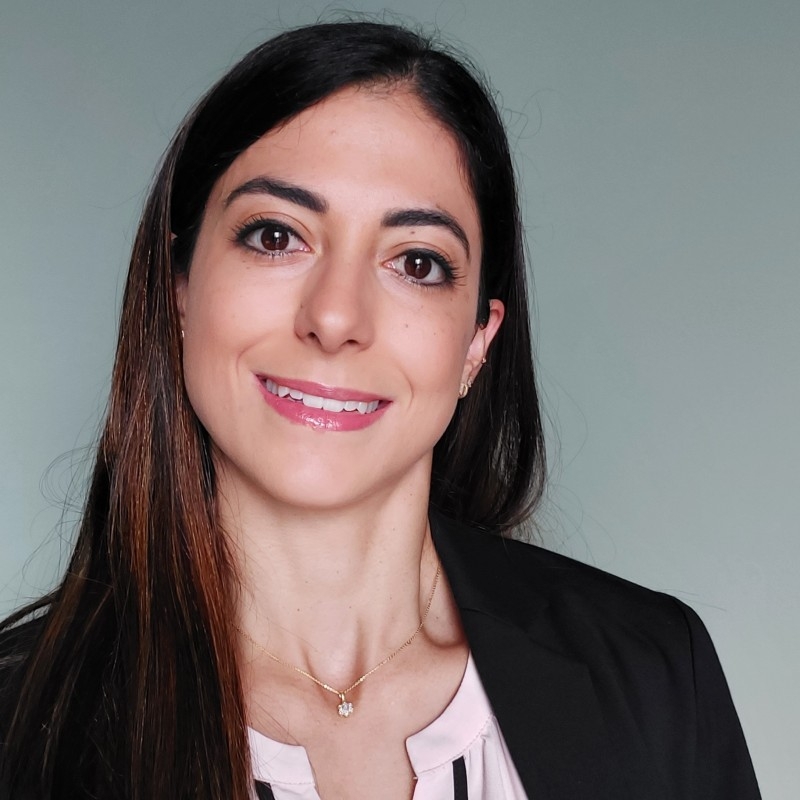
“Embedding human rights in our governance and culture is not only the right thing to do—it creates a safe, respectful, and sustainable workplace that benefits employees, communities, and the industry at large.”
Irene Aycinena, Sustainability Assurance Manager, Grupo HAME
7. Recommended Resources
Recommended UN Global Compact resources available to support your journey:


Download Case Study
Disclaimer: This case example is intended strictly for learning purposes and does not constitute an endorsement of the individual companies by the UN Global Compact.