
Parques Reunidos: Where Data Meets Purpose – Building Engagement, Accessibility, and Positive Social Change
Start Reading

1. Company at a Glance
This case explores how Parques Reunidos, a leading global leisure park operator, has successfully transformed its business to create a welcoming and accessible environment for all employees, guests, and communities. Through strategic leadership, comprehensive governance, data-driven insights, and a strong commitment to cultural change, the company has embedded non-discrimination and equality across its operations worldwide.
Parques Reunidos is a global operator of regional leisure parks with over 30 facilities including theme parks, zoos, marine parks, water parks, and indoor entertainment centers. As the second-largest leisure park operator in Europe and eighth worldwide, Parques Reunidos serves millions of visitors annually across a diverse portfolio, making inclusion and accessibility both a business imperative and social responsibility.
Leisure parks (tourism, hospitality, entertainment)
Industry
Madrid, Spain
Headquarters
7,200
Number of Employees
10 countries (9 from Europe and Australia)
Global Presence
2. The Challenge
Parques Reunidos launched its Diversity, Equity, and Inclusion strategy in response to an internal recognition of evolving social expectations concerning accessibility, representation, and fairness. The company realized that ensuring equitable experiences for guests, employees and the broader society was not merely a moral imperative but also a strategic one, given its broad and diverse employee and customer base. This inspired the company to embrace its role as a catalyst for change in the leisure industry, recognizing that making leisure accessible to everyone requires actively removing barriers—be they physical, cultural, or systemic. This commitment to inclusion began with leadership involvement and extended to day-to-day operations across its parks.
3. The Action
Establishing a Non-Discrimination & Equality Structure and Governance
Creation of a Diversity Equity and Inclusion Committee: A Committee with 55 members across 10 countries was created to represent diverse perspectives across age, gender, ability, nationality, and culture.
Development of Standards and Policies: Group-wide DEI standards were introduced for employees, guests, and the broader community. Non-discrimination principles were integrated into key policies, including the "Policy against workplace harassment," the "Code of Ethics and Conduct," the "Whistleblower Channel Regulatory Policy," and the "Sustainability Policy".
Commitment of Top Leadership: Executive and Board-level oversight ensured accountability. The initiative was supported by the explicit commitment of the Executive Committee and the Board of Directors, to whom current data, detected needs, and the expected impact of the strategy on the company were presented.
Data Collection and Knowledge for Action
Employee Self-Identification Campaign: Employees were invited to voluntarily self-identify aspects such as disability type, gender identity, and cultural affiliation within the People Management system. This allowed the company to better understand and meet their needs.
Feedback Gathering from internal and external sources: Survey feedback on accessibility and overall experience was collected from employees and other relevant stakeholders, including the over 19 million visitors who frequent Parques Reunidos parks annually:
The feedback form was sent to the over 30 non-profit organizations Parques Reunidos collaborates with, asking for details of their full experience at the park, including staff interactions and the accessibility of the facilities.
Focus groups were conducted with members of the Diversity, Equity and Inclusion Committee to gather their insights on how to make Parques Reunidos a more inclusive company.
Among the main themes that emerged from this feedback collection was the need for increased training and awareness for all employees, especially those involved in decision-making processes. This data-driven approach allowed Parques Reunidos to understand barriers and act on them systematically.
Operationalizing and Standardizing Parques Reunidos’ Non-Discrimination and Equality
- Improvement Plan System: An internal system was established to assess local needs, set measurable objectives, and track progress consistently across parks and offices. This system enabled the identification of specific priorities and supported the drafting of a detailed objectives statement to comprehensively address the most pressing issues and promote equitable progress.
- Inclusive Language Guide: An inclusive language guide was developed and adapted to the needs of the Group's different countries. The purpose of this guide was to foster consistent use of respectful language across the Group’s sites.
- Integration into Values and Culture: Non-discrimination and equality were integrated into the company's values and cultural pillars, emphasizing principles such as "we warmly welcome them as they are" and "integrity comes first, we never compromise on fairness and ethics". The company also promoted diversity, equity, and inclusion to create an environment where everyone feels welcome, respected, and valued.
Cultural Transformation and Accessibility
- Employee Training and Awareness: Comprehensive training and awareness programs were implemented for employees, fostering open dialogue to make workplaces and parks more inclusive. Most of the company’s employees —particularly those in customer-facing roles—have received training in areas such as basic sign language, guiding blind guests, supporting individuals with dementia, understanding augmentative and alternative communication systems (AAC), and recognizing invisible disabilities. Parques Reunidos also organized awareness-raising activities around key dates. For instance, on the International Day of Persons with Disabilities, employees with disabilities were invited to share their personal experiences with colleagues during a dedicated event.
- Park Accessibility: Parks were restructured to enhance accessibility, providing innovative accessibility solutions.
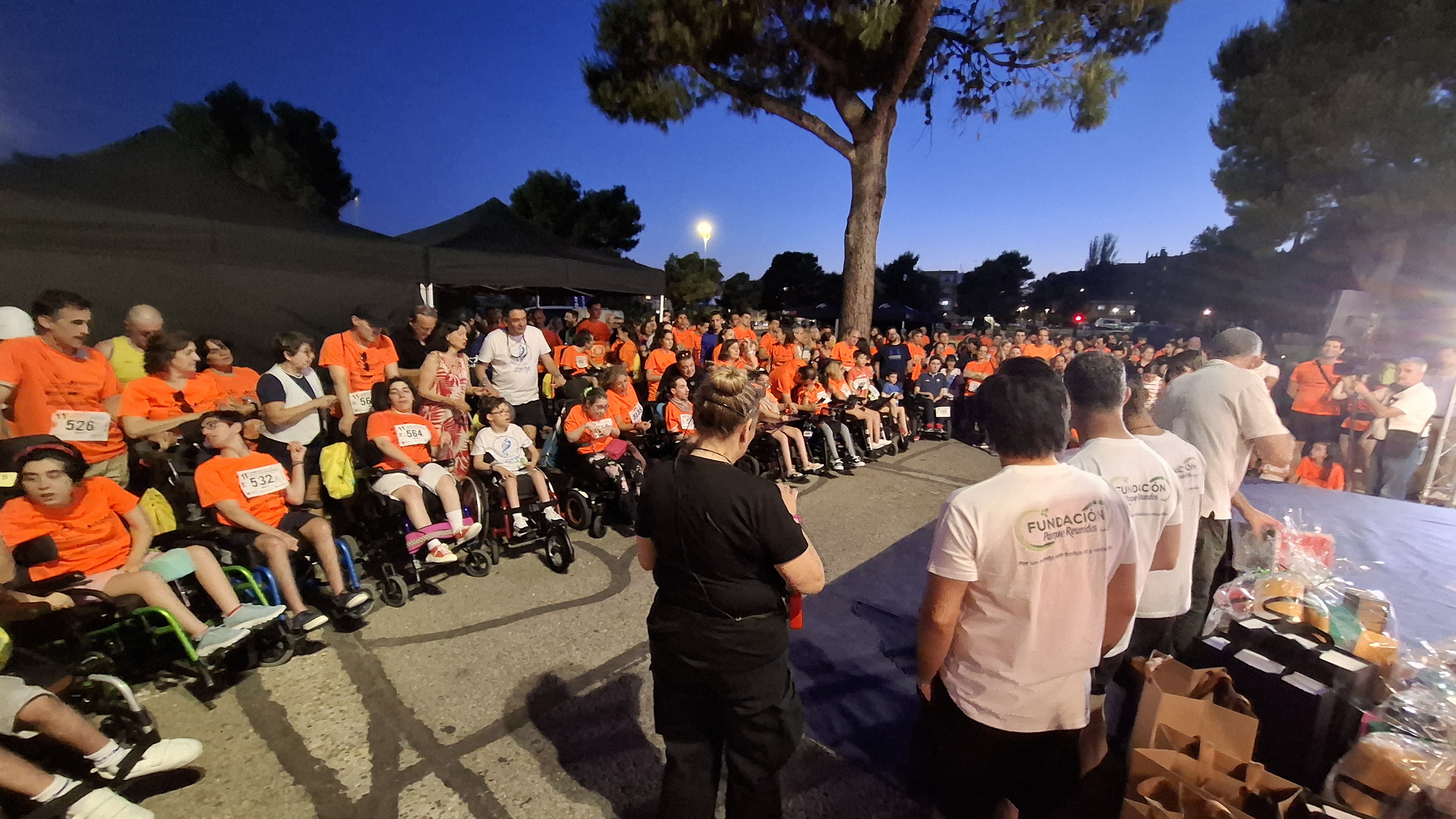
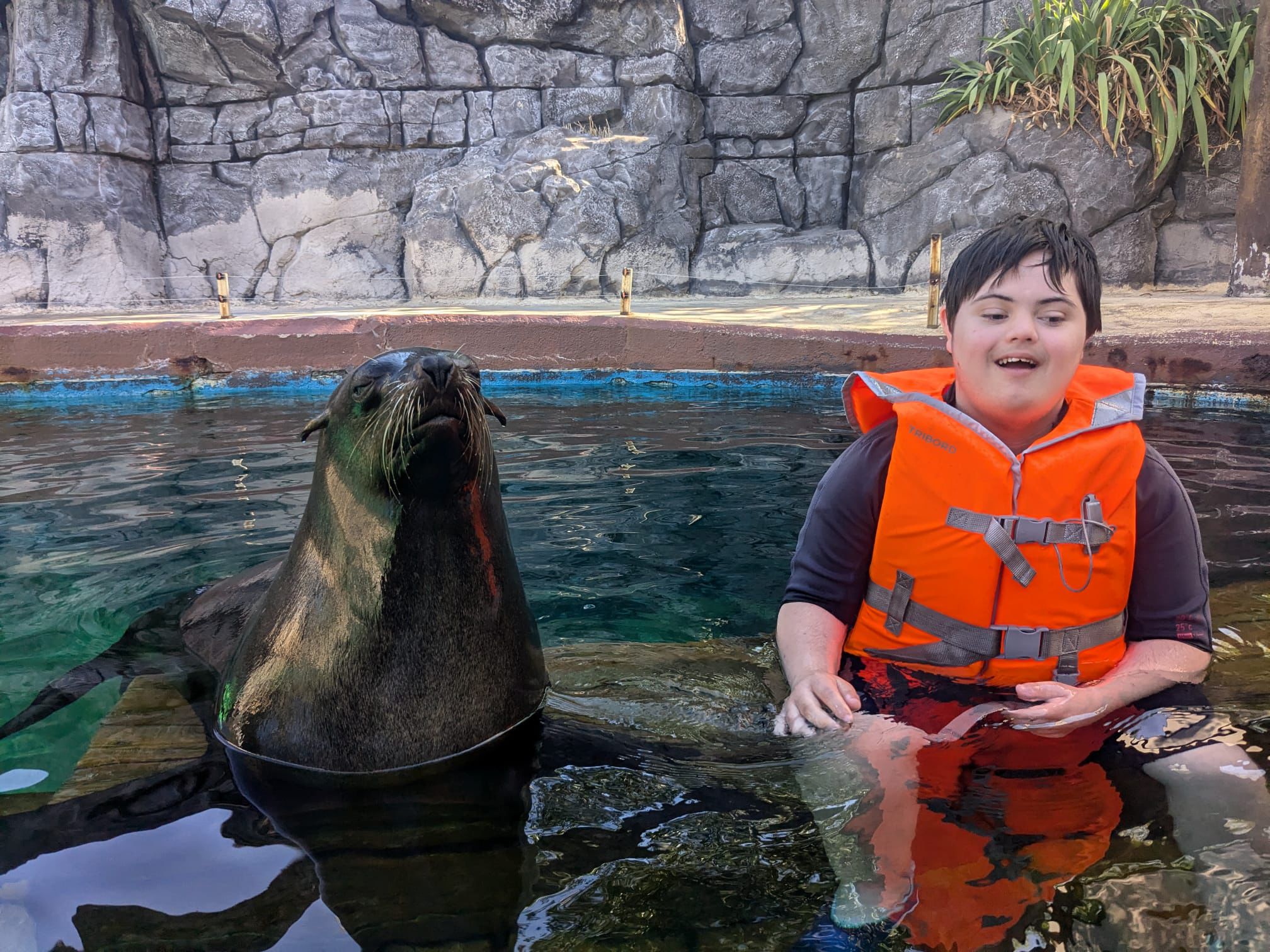
- Social Impact and Access to Leisure: Parks served as key venues for promoting social awareness, leveraging their high visitor traffic. Social non-profits were supported to promote leisure for underserved communities. For example, the celebration of Autism Awareness Day at Warner Park brings together more than 700 individuals with autism and their families.
4. Overcoming Barriers
Resistance to Change
Embedding non-discrimination and equality into daily operations necessitated a significant shift in mindset across all levels of the organization. To address this, the company focused on fostering an inclusive culture by integrating non-discrimination and equality into its core principles and providing training and open discussions to engage employees.
Physical and Personal Accessibility Barriers
Many parks required adaptation to meet the diverse needs of both guests and staff. This involved not only infrastructure changes but also continuous education for employees about the importance of accessibility.
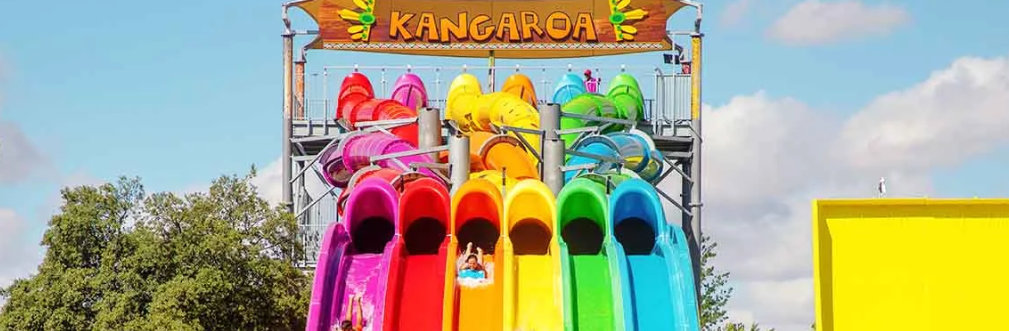
"The staff gave us excellent attention. As soon as they saw us, we were allowed to enter the park with no waiting time, and in all the attractions the treatment of the professionals was very good, with kindness towards our kids and understanding of their needs. All this made our users really enjoy the day and all the attractions they went on."
Fundación Aucavi
5. Impact & Results
Internal Impact (Employees)
- Employee Engagement: Employee engagement on DEI-related topics improved significantly, with a 19% increase in engagement survey scores.
- Training: 100% of employees underwent DEI training.
- The company demonstrates strong diversity across gender, age, and cultural background:
- 50% of women in the total workforce and 38% of women in management positions
47.9% of employees, under the age of 30
The German workforce includes individuals from over 30 different nationalities.
Accessibility for Guests
- Universal Accessibility Standards: All parks now fully comply with basic accessibility standards. This foundational achievement is complemented by 100% of parks providing general accessibility guides and having dedicated pages on their websites outlining implemented accessibility measures.
- Physical Adaptations and Facilities: To ensure physical accessibility, 100% of parks are equipped with accessible restrooms, and those with parking offer designated spaces for people with reduced mobility. Furthermore, 100% of parks provide wheelchairs for visitors, and adapted routes are available (as much as possible given park characteristics) for guests with reduced mobility. Service animals are also allowed in 100% of parks.
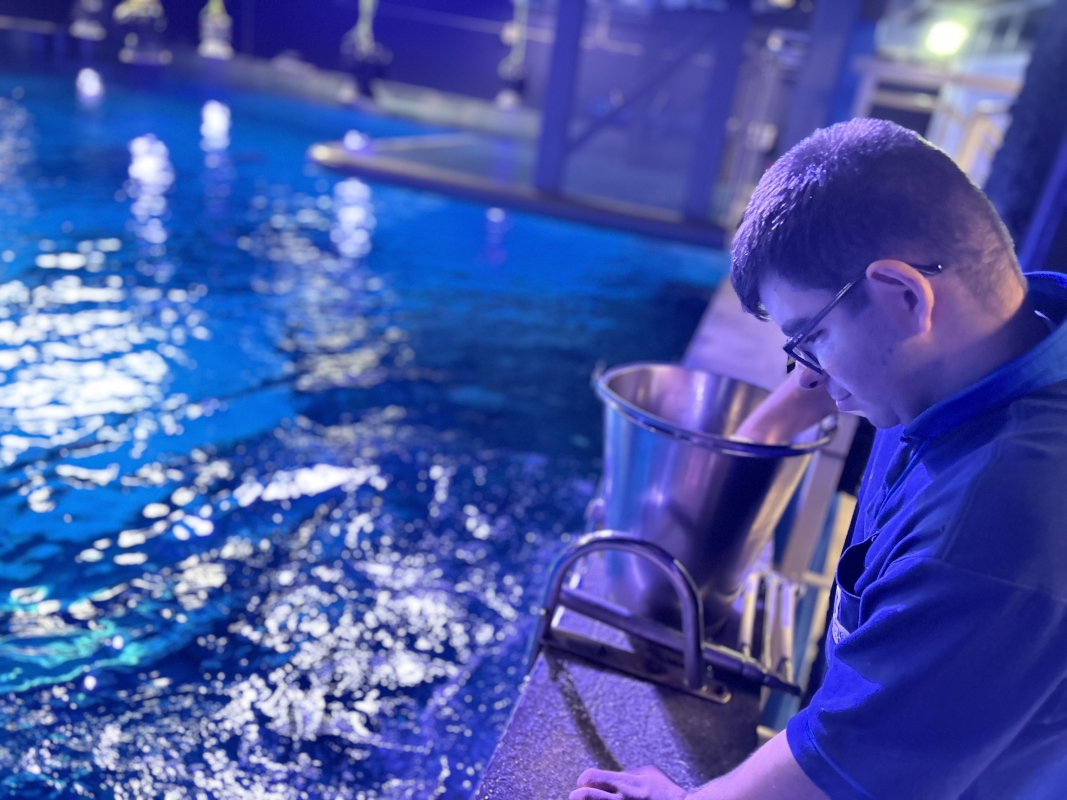
- Technological & Specialized Inclusivity: QR codes linked to sign language videos about attractions and safety measures support deaf guests. In a pioneering move, the company also became the first in Spain to implement the Hidden Disabilities Sunflower initiative, supporting guests with invisible disabilities. Additionally, a marine glossary featuring new symbols in Spanish Sign Language was created to aid understanding.
Broader Social Impact:
- Discounts for People with Disabilities: 100% of parks offer discounts for visitors with disabilities. In 2024, 28,058 tickets were offered at special rates for people with disabilities.
- Ticket Donations: In 2024, 10,205 tickets were donated to individuals who might not otherwise have the opportunity to enjoy the parks, including individuals with disabilities or serious illnesses, people at risk of social exclusion, women victims of gender violence, immigrants, and refugees.
- Positive Feedback from Non-profits: Feedback received from collaborating non-profits consistently emphasized the professionalism, kindness, and attentiveness of staff, highlighting the initiative's tangible human impact.
6. Key Lessons Learned
The Power of Authentic Leadership Commitment
When top-level leaders are genuinely engaged, it sends a strong message throughout the organization and drives a deeper, more sustainable impact. Leadership involvement helped set a tone of seriousness and dedication that permeated all levels of the company
The Value of a Data-Driven Approach:
By using data to assess the current state of diversity, equity, and inclusion within the company, Parques Reunidos was able to identify specific gaps and prioritize areas for action. This method allowed for clear goal-setting, targeted interventions, and measurable progress, all of which contributed to the initiative’s credibility and effectiveness.
Non-discrimination and equality as an ongoing part of the organizational culture:
Non-discrimination and equality must be embedded into policies, values, and everyday practices rather than treated as a stand-alone program.

7. Company Commitment
Parques Reunidos is a committed member of the UN Global Compact from 2018 and has been part of the:
8. Recommended Resources
Recommended UN Global Compact resources to support your journey:

Disclaimer: This case example is provided solely for educational purposes and does not imply an official endorsement of the company or its activities by the UN Global Compact. The UN Global Compact recommends the integrity principles outlined by the United Nations Secretary-General’s High-Level Expert Group (HLEG) on Net-Zero Emissions Commitments as the ‘North Star’ for credible, accountable, and transparent net-zero pledges by non-state actors.