
Parque Arauco: 12% More Foot Traffic and Stronger Community Trust Through Culture-Led Engagement
Start Reading

1. Company at a Glance
In this case study, we will discover how Parque Arauco transformed its shopping centers in Colombia into inclusive cultural hubs through the initiative “Community of Culture and Identity.” Parque Arauco addressed the lack of accessible artistic spaces through co-created programming, long-term training and shared governance with local stakeholders.
As a result, the company not only strengthened community ties but also achieved measurable business outcomes—including a 12% increase in foot traffic and higher trust levels among local residents. The initiative is now part of the company’s strategic investment portfolio and has become a replicable model across Latin America.
Retail
Industry
1982
Founded
500+
Number of Employees
Bogotá, Colombia
Headquarters
Colombia, Chile and Perú
Global Presence:
2. The Challenge
Parque Arauco launched this initiative in response to a territorial challenge identified through a Strategic Territorial Mapping conducted with the Instituto de la Conversación. The analysis revealed a critical lack of free and accessible spaces for artistic expression and community participation in the areas surrounding its shopping centers.
Rather than remaining a neutral commercial player, the company saw this as a strategic opportunity to strengthen its role as a meaningful urban actor. The challenge was not only to address the cultural void but also to reposition the shopping center as a socially integrated space—one capable of fostering belonging, identity and social cohesion.
By aligning this initiative with its broader sustainability strategy and integrating it into its Strategic Social Investment (ISE) portfolio, Parque Arauco sought to transform a social gap into shared value. This meant designing a solution that responded directly to local needs while simultaneously reinforcing its business mission and deepening trust within the communities it serves.
3. The Action
Territorial Diagnosis and Problem Identification
The Strategic Territorial Mapping revealed the absence of accessible cultural spaces near key shopping centers and helped the company identify specific local needs and opportunities for social engagement
Design of a Participatory Intervention Model
Using the findings from the mapping exercise, Parque Arauco developed a flexible, territory-specific intervention model with shared governance. The process was co-created with community leaders, cultural organizations, local authorities and NGOs. To support implementation and ensure local relevance, specialized territorial teams were established, providing on-the-ground coordination and maintaining open, continuous dialogue with all stakeholders
Cultural Programming and Community Activation
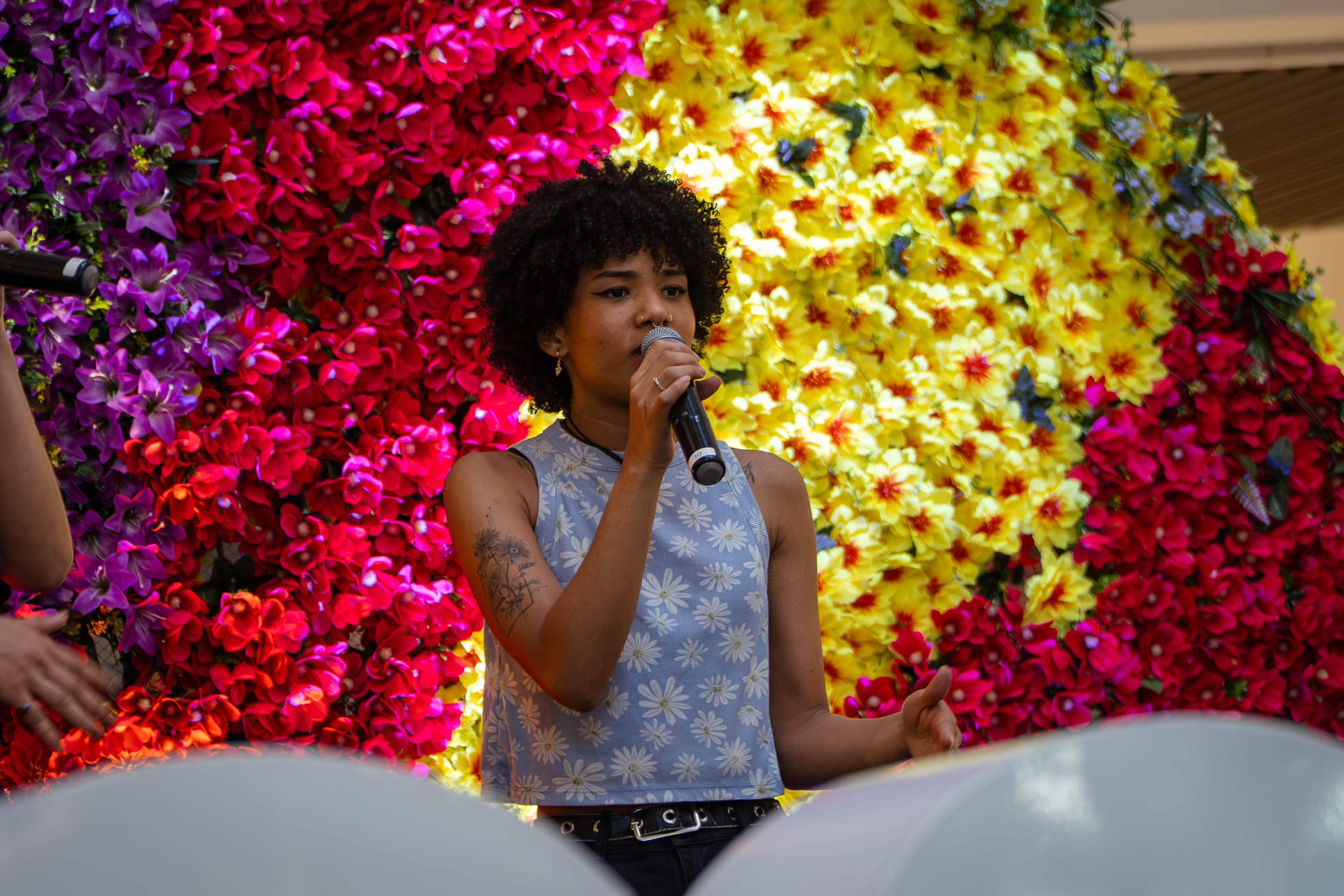
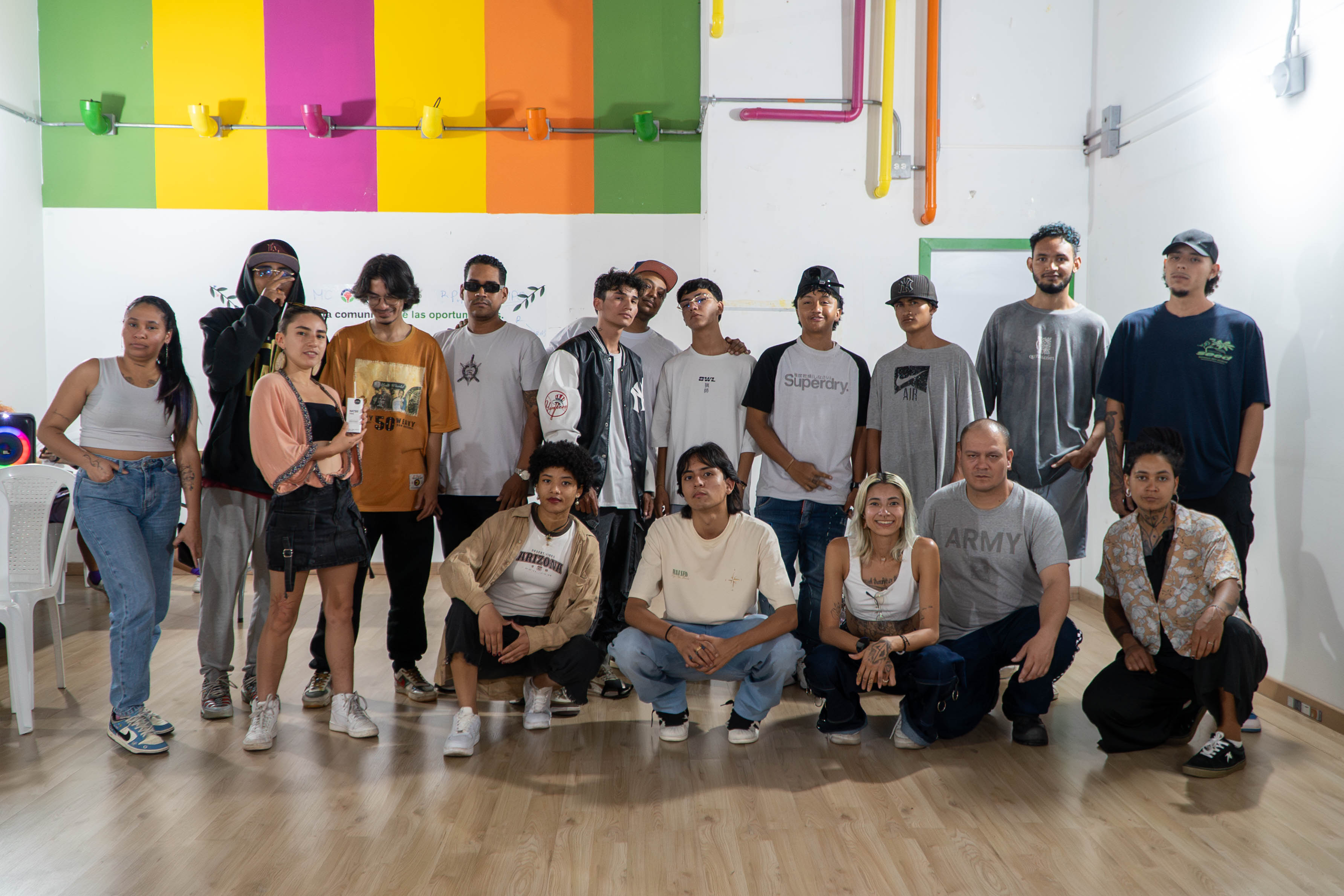
The initiative was activated in two shopping centers—Parque Alegra (in Barranquilla) and Parque Fabricato (in Bello). In Barranquilla, community members co-created carnival groups; in Bello, urban collectives were formed around rap, breakdance, choral singing and other cultural expressions. These activities were not isolated events but were embedded in a broader effort to foster identity, belonging and cultural visibility within the commercial space.
Ongoing Training and Repurposing of Space
Over 200 hours of artistic training were delivered in these spaces, transforming internal areas of the shopping centers into dynamic cultural hubs. These spaces became venues for regular workshops, performances, and creative exchange—reinforcing the idea of the mall as a shared urban asset.
Visibility Through Strategic Communication
A multichannel communications strategy was launched to highlight the role of local communities as cultural agents. Campaigns appeared in high-traffic retail spaces, social media, and mass media, elevating both the initiative and its participants. This visibility not only built recognition for local culture but also strengthened public perception of the mall as an inclusive, socially engaged space.
Trust Measurement as a Social Impact Tool
To measure whether the initiative was strengthening community relationships—not only participation—Parque Arauco used a social impact and relational tool instead of a standard satisfaction survey. It followed a pre- and post-intervention model to establish a baseline and track changes after implementation. Data was collected by an independent technical third party through mixed-method surveys (online and on-site) with local residents and programme participants.
In addition to this exercise, the company periodically conducts various types of surveys. These include Transactional surveys using CSAT (Customer Satisfaction Score) to measure customer satisfaction percentages, and Relational Net Promoter Scores as a net recommendation index. This comprehensive approach aims to understand critical areas for development and to strengthen the ongoing relationship with the community.
4. Overcoming Barriers
Building community trust and participation
At the outset, some community members were reluctant to participate, questioning the authenticity and permanence of the initiative. To overcome this, Parque Arauco adopted a co-creation approach—engaging local leaders from the start, facilitating open dialogue and ensuring cultural representation in both planning and execution. This gradually fostered trust and ownership.
Sustaining long-term engagement
Initial enthusiasm risked fading without continuity mechanisms. The company responded by embedding over 300 hours of artistic training into the programme and repurposing mall spaces as permanent venues for cultural activity. These measures helped transform one-off events into a sustainable community platform.
Managing multi-stakeholder coordination
Aligning diverse actors—internal teams, cultural leaders, NGOs, and authorities—required significant coordination. A shared governance model was established, supported by territorial teams and an external partner (Instituto de la Conversación), ensuring consistent communication and implementation across sites.
5. Impacts & Results
12% increase in foot traffic during cultural events (across both Parque Alegra & Parque Fabricato).
15% increase in community trust in Parque Alegra and a 10% increase in Parque Fabricato, according to a biannual survey conducted by the company.
Strengthened brand positioning and enhanced public perception of the shopping centers as inclusive, community-oriented spaces, according to studies conducted by the company.
Community and Social
- 440+ direct participants in artistic workshops
- 750 indirect beneficiaries
- 100,000+ people reached through media, events and digital channels
- Strengthened relationships with community leaders, authorities and cultural organizations Business Impact
- 320+ hours of artistic training delivered
- 60 artists and cultural leaders supported and showcased
95% satisfaction rate at Parque Alegra and 83% satisfaction rate at Parque Fabricato, according to the feedback provided by cultural agents
6. Key Lessons Learned
Co-creation ensures sustainable impact
Engaging communities as co-creators—not just participants—was critical to building trust, ownership and long-term commitment. This approach strengthened the initiative's legitimacy and ensured deeper social integration.
Formalization strengthens sustainability
A key reflection was the importance of formalizing cultural groups and designing sustainability pathways early on. Doing this from the start would have accelerated the transition from dependency to autonomy
7. Recommended Resources
Recommended United Nations Global Compact Resources


Download Case Study
Disclaimer: This case example is intended strictly for learning purposes and does not constitute an endorsement of the individual companies by the United Nations Global Compact.