
Groupe Mul: How an SME Embeds Anti-Corruption in Global Sourcing
Start Reading

1. Company at a Glance
This case study explores how Groupe Mul, a family-owned SME specializing in aromatic extracts, has placed the fight against corruption at the heart of its sustainability approach. Despite not being legally subject to major French anti-corruption regulations, the group has voluntarily developed a structured, long-term anti-corruption and ethics strategy rooted in fieldwork, supply- chain engagement and continuous risk assessment. The initiative demonstrates how small and medium-sized enterprises can address corruption, human rights and social risks in complex international supply chains.
Aromatic extracts
Industry
1865
Founded
France
Headquarters
110
Number of Employees
2. The Challenge
Groupe Mul operates global supply chains involving diverse political, social and economic contexts, some of which present heightened corruption and human rights risks. Although French regulations such as Sapin 2 and the Duty of Vigilance Law primarily target large corporations, the group identified corruption as a material risk within its own activities— particularly in procurement, logistics and raw material sourcing.
The key challenge was to design an anti-corruption approach adapted to the scale and reality of an SME, while also addressing interconnected social and ethical risks such as working conditions, discrimination and transparency across international supply chains.
3. The Action
DEFINING A TAILORED ANTI-CORRUPTION APPROACH
Rather than replicating compliance-heavy models used by large corporations, Groupe Mul developed an anti-corruption approach adapted to its size and operations. The initiative was launched in 2019 following an internal risk assessment, with a broader scope covering ethical, social and human rights issues linked to corruption risks. This assessment was conducted with the support of the NGO Human Resources Without Borders (RWB), whose expertise and tools were specifically relevant to supply chains based on natural raw materials. The company analysed corruption risks at each stage in the production of its aromatic extracts, using indicators such as the country of manufacture, the level of transparency with suppliers or logistics providers, and the presence of ethical certifications. Based on these criteria, it assigned a low, medium or high risk level to each supplier, logistics company and service provider.
STRENGTHENING INTERNAL GOVERNANCE AND RISK MAPPING
The company identified logistics, sales and purchasing as the departments most exposed to corruption risks. Internally, each department conducts an annual audit of its own practices and updates its risk mapping with related monitoring indicators. To support this process, employees received specific training on internal, enabling each department to carry out these reviews in a structured and consistent way. Internal audits focus on key risk areas such as supplier relationships, client interactions and compliance with the company’s gift policy.
Externally, the main supplier audits are conducted by the CSR and Purchasing teams using a dedicated onsite audit grid. Rather than relying on desk-based checks, the company carries out only onsite audits, typically spending three to four days at the supplier’s premises to review processes in depth, understand how controls are implemented in practice and identify potential gaps.
BUILDING CAPACITY THROUGH TRAINING
Training plays a central role in the strategy. The percentage of employees trained in anti-corruption increased from 20% in 2023 to 50% in 2024 and 100% in 2025. Groupe Mul also extended capacity-building efforts to carriers involved in transporting raw materials, increasing training coverage from 10% in 2023 to 30% in 2024 and 50% in 2025. This work was supported by RWB, which delivered onsite training on social and ethical risks, human rights and corruption, and introduced practical tools such as field interviews to help establish more accurate diagnostics across the supply chain.
DEPLOYING ANTI-CORRUPTION ACTIONS IN SUPPLY CHAINS
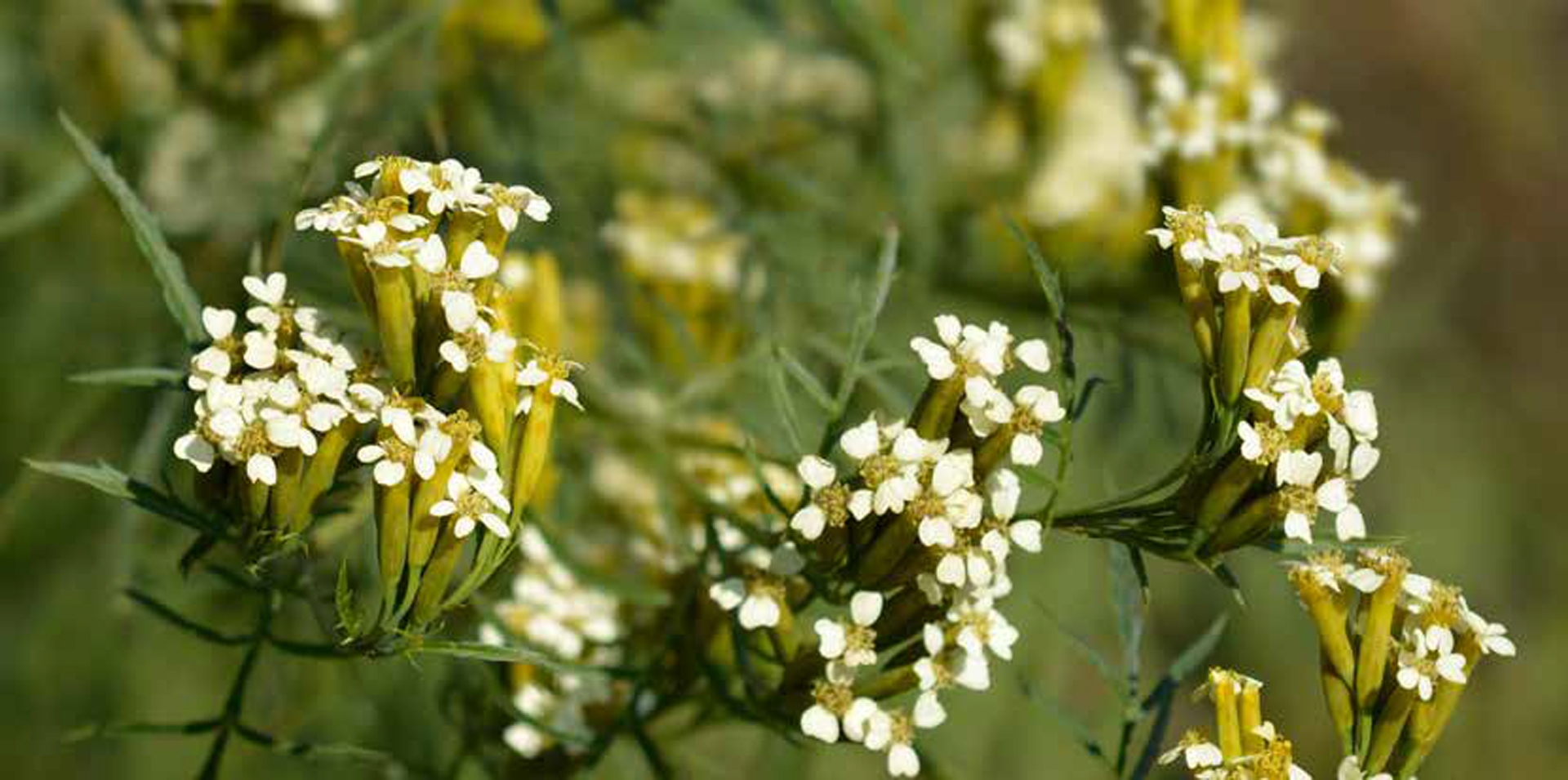
Approximately 60% of the group’s supply chains are located in Europe, with the remainder in Asia and Africa. The company began deploying supplier engagement on anti corruption in Bulgaria, where it had an established long- term partnership with a rose producer. The context combined high corruption risk with social challenges linked to the Roma community involved in harvesting.
The company conducted preliminary diagnostics, task mapping across the entire supply chain and field interviews with workers, community mediators, and local leaders. Risks were identified and assessed using a materiality-style approach, focusing on issues such as decent wages and working conditions.
CO-CONSTRUCTING LONG-TERM ACTION PLANS
Based on the diagnostics, Groupe Mul co-developed long-term action plans with local partners. These plans emphasize transparency across the supply chain, including clearly defined wages and transport costs, and are designed to evolve over 5–10 years. Similar approaches were later deployed in Laos and Madagascar, where risk analyses and stakeholder interviews helped build trust despite challenging political contexts.
To encourage supplier buy-in, the company adapted its approach to each cultural context. Transparency initiatives are linked not only to ethical commitments, but also to business value, such as improving product quality and giving clients greater visibility into how products were sourced. This helped suppliers see transparency as a competitive advantage that could strengthen their own offer.
FORMALIZING ETHICAL COMMITMENTS
In 2020, the anti-corruption initiative resulted in the drafting of an ethical and social charter. Groupe Mul’s policy is aligned with national and international frameworks, including the Sapin 2 law, OECD and UN conventions, duty of care legislation and anti-corruption standards.
4. Overcoming Barriers
Time Management to Engage Partners and Employees
As training expanded beyond internal teams to include external carriers and long-term suppliers, coordinating schedules and ensuring consistent participation became a practical challenge. Groupe Mul addressed this by prioritizing high- risk functions first, using a phased rollout aligned with audit and procurement cycles, and combining short in-person sessions with periodic refreshers to maintain momentum across all partners.
Need for Practical Tools to Support Partner Training
External partners did not always have the same level of familiarity with ethics and anti-corruption concepts, making standard corporate training materials less effective. To overcome this, Groupe Mul and RWB developed simple, field-adapted tools—such as interview guides, checklists and scenario-based examples—so partners could translate expectations into day-to-day decisions and document issues consistently.
5. Impacts & Results
Employee training: 20% in 2023 to 50% in 2024, 100% in 2025.
Anti-corruption training in its carriers: 10% in 2023, 30% in 2024, 50% in 2025. This helps reduce risks linked to logistics and transportation activities.
Two ethical audits were conducted in 2023 and one in 2024. These actions support a more transparent, ethical, and resilient supply chain.
6. Key Lessons Learned
SMEs can strengthen anti-corruption risk assessment by partnering with specialized NGOs or consultants when in-house capacity is limited
Corruption risks are closely linked to social and human rights issues in supply chains
Fieldwork and direct stakeholder engagement strengthen risk assessment and trust

"Our anti-corruption approach is different from that of large groups because we are an SME with 110 employees. It more broadly encompasses social and ethical issues. It was initiated after a risk study within our activities, particularly our sourcing of natural raw materials.”
Marika Bianchi, Sustainability Manager

7. Recommended Resources
Recommended UN Global Compact Resources


Download Case Study
Disclaimer: This case example is intended strictly for learning purposes and does not constitute an endorsement of the individual companies by the UN Global Compact.