
Brazilian Companies Meet to Discuss Private Sector Contribution to Sustainable Development Goals
Read more
São Paulo, Brazil
The following is an article submitted by a Global Compact Local Network. Please contact the network representative listed below with any questions regarding its contents.
(São Paulo, 2 September 2014) – Global Compact Network Brazil gathered over 80 representatives of Brazilian companies and civil society organizations in São Paulo as part of a public consultation on the Post-2015 Development Agenda.
The meeting – organized in partnership with the United Nations Development Programme (UNDP), theUnited Nations Industrial Development Organization (UNIDO) and the International Finance Corporation (IFC - World Bank Group) – focused on the main challenges and opportunities for the private sector in the context of the UN Post-2015 Development Agenda.
Four expert panels and two working groups were organized on major topics regarding the implementation of the new Sustainable Development Goals (SDGs). "The UN recognizes that the private sector is a key player for development, one that creates wealth, jobs and innovation,” said Jorge Chediek, UN Resident Coordinator and UNDP Resident Representative in Brazil. “What we look for in these international negotiations is to create this new reality in a way that also allows the progress of the private sector with sustainable growth."
Jorge Soto, President of Global Compact Network Brazil, stressed that the UN Global Compact has made an important contribution to the post-2015 process by advancing private sector engagement through its creation of the Post-2015 Business Engagement Architecture. "The document [released in 2013] provides clear guidance on how each company can contribute concretely to the path of sustainability: aligning their business strategies with the responsibility and partnering with governments and society," he said.
Gustavo Aishemberg, UNIDO’s representative in Brazil, said that at least 7 of the 17 proposed objectives in the Zero Draft of the SDGs can only be achieved through awareness and partnerships with the private sector, including energy access for all and the development of infrastructure and industrialization. Luis Iseppe, from International Finance Corporation (IFC), said that the organization has started charging sustainability policies as counterpart funding to private projects.
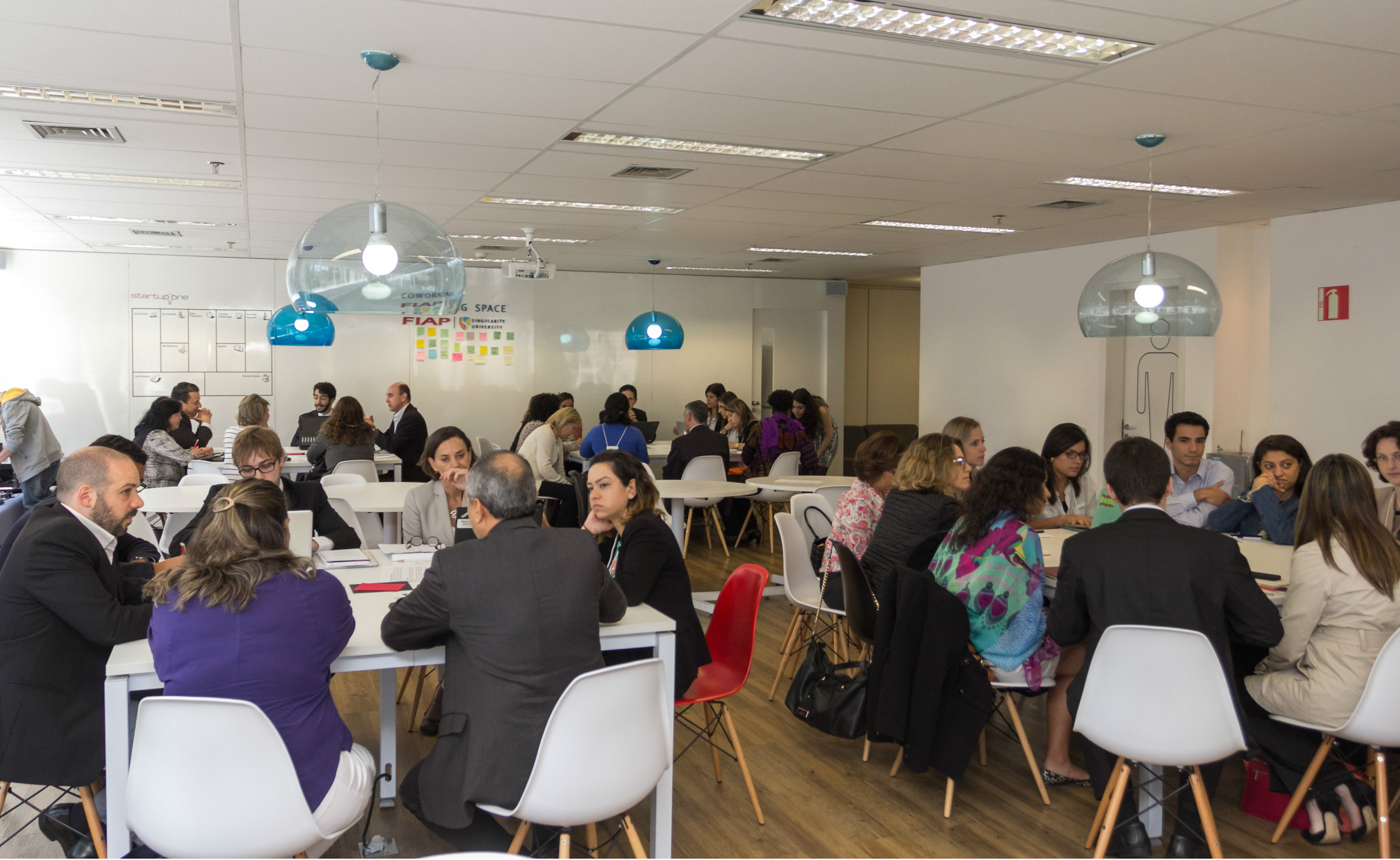
Outcomes from the consultation will be presented to the UN Global Compact Office in New York. (Photo Credit: Alessandra Fratus/ Global Compact Network Brazil)
Additional discussions included the contribution of the financial system to the new development agenda and how public policies can help create an enabling environment for advancing corporate sustainability. Emphasizing the need to develop policies that balance interests, several key policy mechanisms were highlighted including sustainable finance, sustainable public procurement, social responsibility reports and fiscal and financing incentives. Participants also placed a focus on the critical roles that partnerships and SMEs will play in advancing the post-2015 agenda.
Outcomes from the consultation will be presented to the UN Global Compact Office in New York, which is playing a major role in bringing the voice of the private sector to the process of developing the SDGs.
- See full agenda
- Learn more about the consultation
- Learn more about Global Compact Network Brazil
Contact
Júlia Tavares
Global Compact Network Brazil
julia.tavares@undp.org